When You Step Off the Yacht, the Fun Doesn’t Stop
You’ve woken up to the sound of waves, watched the sunrise paint the islands in pink and gold, and had your morning cofee with a view most people only dream about. Your yacht is home base, but the Virgin Islands has plenty of activities on land worth exploring! This is your insider guide to the best shore-side activities when you’re ready to swap your deck shoes for sneakers, a paddle, or a surfboard.
Pickleball & Tennis in Paradise
Cruz Bay Courts – St. John
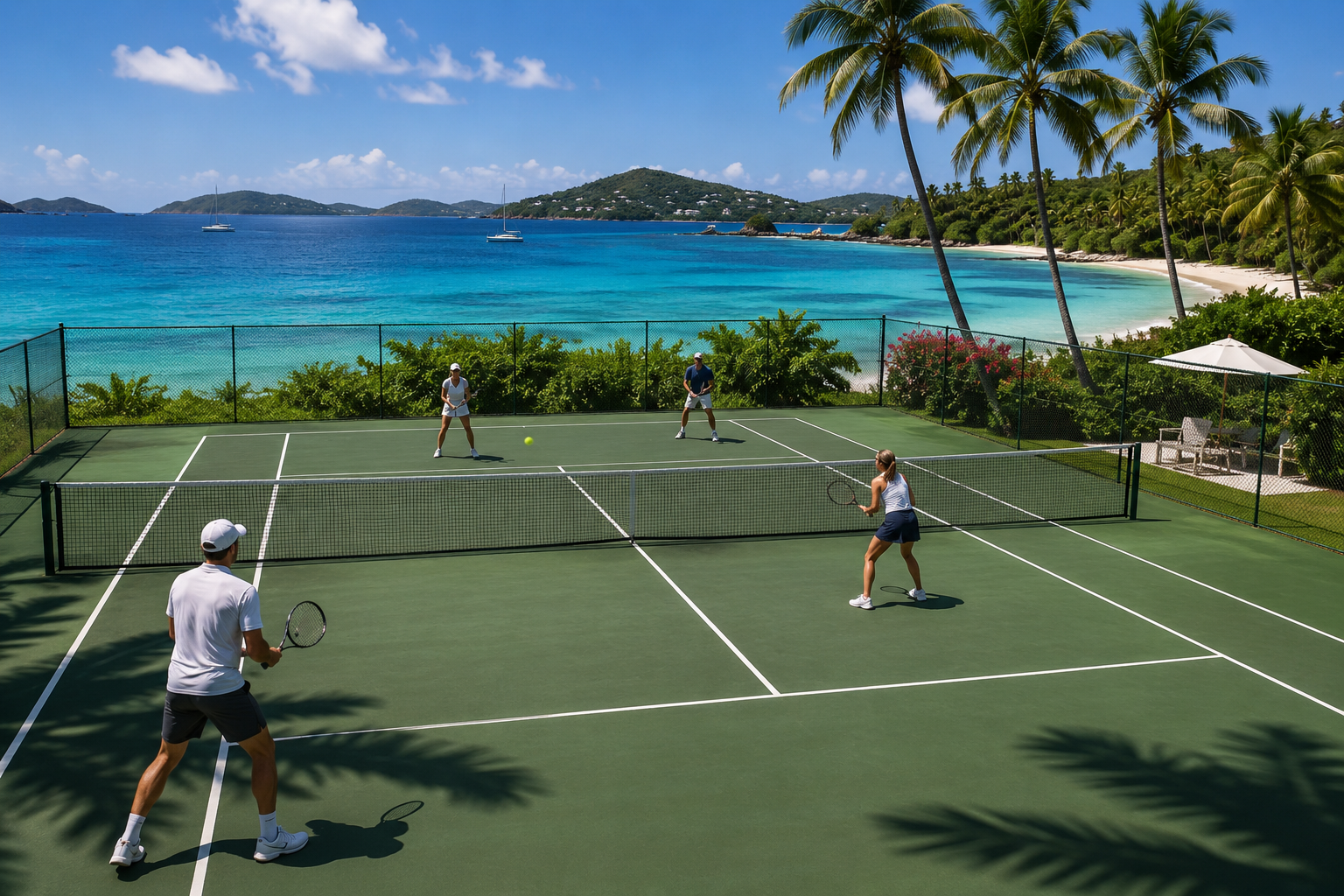
Pickleball has taken the islands by storm, and St. John is leading the charge with public courts right in Cruz Bay. Visitors can easily jump into local games, and the laid-back atmosphere makes it one of the most fun ways to spend an afternoon ashore between beach stops and boat days. Want to play with the regulars? Sessions are organized through PlayTime Scheduler (playtimescheduler.com), and the USVI’s official pickleball ambassador keeps the community active and welcoming to visitors.
Subbase Courts – St. Thomas
Over on St. Thomas, Subbase Courts is a popular public spot for tennis and casual pickleball play. It is a great option for guests looking to stay active for a few hours before heading back to the yacht for sunset cocktails and dinner onboard.
Public Tennis Centre – Tortola, BVI
In Tortola, the Public Tennis Centre offers reservable courts open to visitors without needing a resort membership. It is an easy and fun shore-side activity if your charter itinerary includes the British Virgin Islands. Whether you’re a serious player or just looking for a fun way to stay active during your trip, the Virgin Islands make it easy to swap your flip-flops for sneakers for an afternoon before returning to life on the water.
Surfing the Virgin Islands
The Best Waves in the Region – BVI, Tortola
The British Virgin Islands punch well above their size when it comes to surf. Waves are at their most consistent from November through March, when North Atlantic swells send clean sets into the north-shore breaks of Tortola. A short BVI day sail from your anchorage puts you right in the middle of the Caribbean’s best surf scene.
- Josiah’s Bay, Tortola: The most consistent break in the BVI. Sandy bottom, beginner-to-intermediate friendly with lefts and rights. Home to the annual Josiah’s Bay Surf Classic and a surf school on-site for lessons and rentals.
- Apple Bay, Tortola: A reef break known throughout the Caribbean for fast, clean waves. Works best in winter swells. Thomas’s Surf Shop is on-site for lessons and gear.
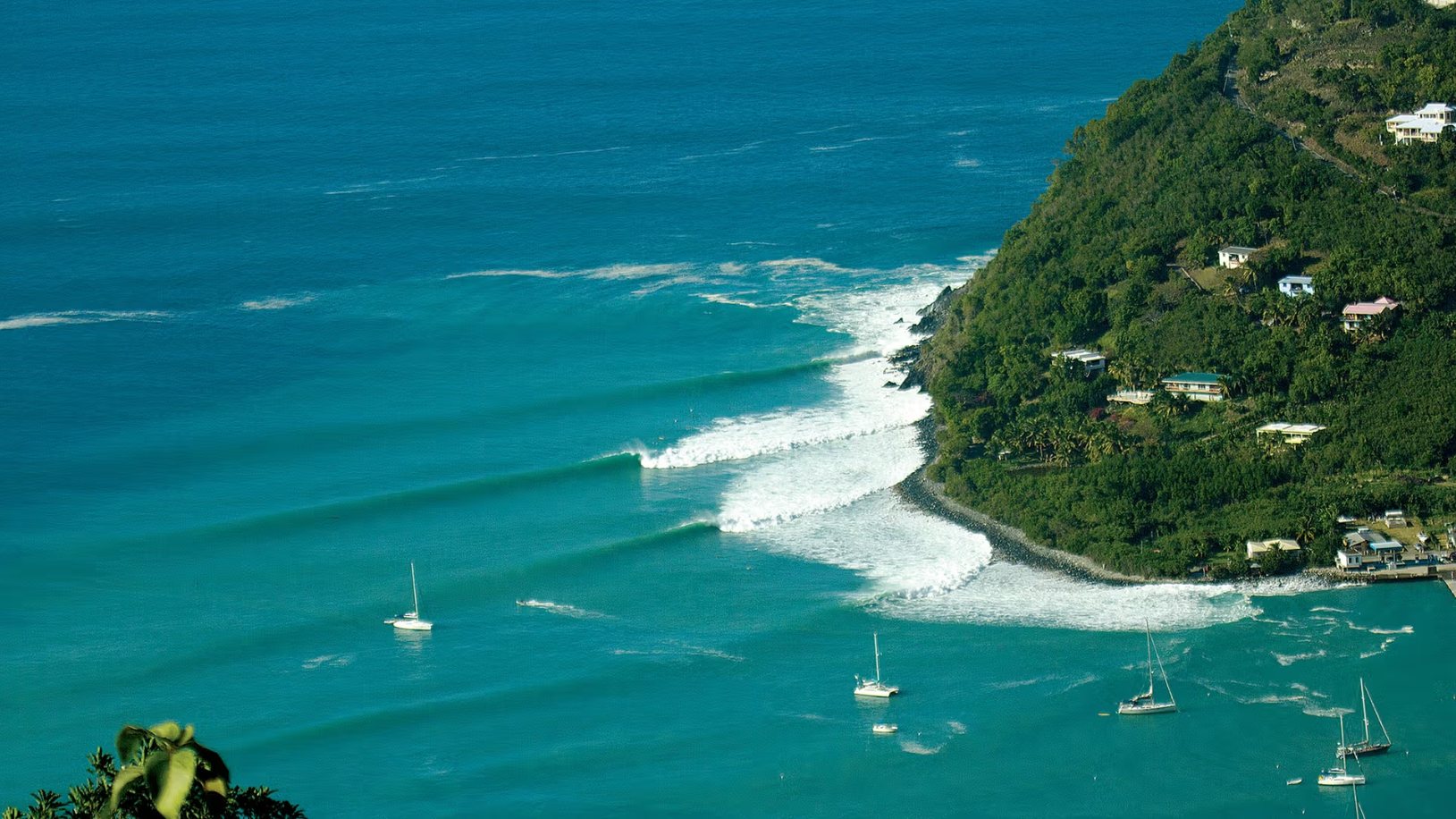
- Cane Garden Bay, Tortola: One of the most photographed bays in the BVI. On big northern swells it transforms into a spectacular longboard wave. Experienced surfers only in solid swell.
- Long Bay, Tortola: Family-friendly beach break. Surfable in the 3 to 8ft range with a sandy bottom. A reliable option when other spots are too heavy.
Pro Tip: Surf School BVI at Josiah’s Bay is run by local legends. First-timers leave standing up. Highly recommended for anyone who’s been curious but never tried.
Surfing St. Thomas and St. John – USVI
The USVI has its own surf scene which is more low-key, more local, and especially rewarding for those who know where to look. St. Thomas and St. John both have breaks that come alive in winter when north swells roll in.
- Hull Bay, St. Thomas: The island’s most well-known surf spot. Best for experienced surfers. A local scene worth respecting. Post-session food at Hull Bay Hideaway is a rite of passage.
- Cinnamon Bay, St. John: Gentle beach break with crystal-clear water. Works during winter swells. Rent gear from Cinnamon Bay Watersports and explore the campground trails after.
- Reef Bay, St. John: A reef bottom break for advanced surfers only, with uncrowded waves and some of the most dramatic scenery on the island.
Hiking St. John’s National Park Trails
Reef Bay Trail
Two-thirds of St. John is protected as Virgin Islands National Park, one of the most pristine and underrated national parks in the United States system. The crown jewel of the trail network is the Reef Bay Trail: a 2.2-mile descent from Centerline Road through two distinct forest ecosystems, past the ruins of four Danish sugar mills, and down to an untouched beach. Along the way, a short side path leads to the Petroglyph Trail, 1,000-year-old Taino rock carvings etched beside a freshwater pool.
Pro Tip: Start early — the midday sun on the uphill return section is unforgiving. Sturdy shoes, water, and a packed lunch. The beach at the bottom has no concessions.
Three More Trails Worth Your Time
- Lind Point Trail: Starts at the National Park Visitor Center in Cruz Bay. A 2-mile loop with access to Salomon Beach and Honeymoon Beach. Easy to moderate. The Lind Point overlook delivers a sweeping view of Cruz Bay harbor you will not forget.
- Ram Head Trail: 2.5 miles round-trip from Salt Pond Bay to the dramatic southern cliffs of St. John. 360-degree views of the Caribbean Sea. Rocky and exposed, so go early and bring plenty of water.
- Peace Hill Trail: A ten-minute walk from North Shore Road to a 200-year-old stone windmill ruin with 180-degree views of Hawksnest Bay, Trunk Bay, and the BVIs in the distance. Best short hike on the island, full stop.
Pro Tip: After the Ram Head hike, Salt Pond Bay is right there — calm water, great snorkeling, and enough shade to take the edge off. Build it into your day.
Everything Else Worth Doing
Snorkeling the BVI’s Best Reefs
From your charter, some of the Caribbean’s finest snorkeling is minutes away by dinghy. The BVI reefs are sheltered, clear, and teeming with life — and accessing them on your own timeline is exactly the advantage of being on a private yacht.
- The Indians, Norman Island: Four dramatic rock pinnacles just offshore, absolutely packed with fish. Morning arrivals are quieter. Snorkel right off the dinghy.
- The Caves, Norman Island: Made famous as the inspiration for Treasure Island. Swim into the sea caves and you’ll see why. Bioluminescent at night.
- Waterlemon Cay, St. John: The number one snorkeling destination on St. John. Accessible via the Leinster Bay Trail. Coral gardens, sea turtles, spotted eagle rays if you’re lucky.
- The Baths, Virgin Gorda: House-sized granite boulders creating natural pools, grottoes, and passages. Snorkel the perimeter before the day boats arrive.
Stand-Up Paddleboarding and Kayaking
Calm mornings in a sheltered anchorage are made for paddleboarding. The flat water at sunrise, the reflections, the silence broken only by your paddle, it’s one of those things you do once and then wake up every morning trying to recreate it.
Pro Tip: Ask your captain to anchor in a calm bay the night before so you can paddle at sunrise before the trades pick up. North Shore St. John bays are ideal for this.

Annaberg Sugar Plantation, St. John
One of the best-preserved plantation sites in the Caribbean. Annaberg sits on a dramatic hillside above Leinster Bay, and the ruins — windmill tower, cook room, slave quarters, and factory — have been partially restored with informational placards that tell the full, unflinching story of the island’s past. The views over the water to Tortola are extraordinary. Bring this one as your cultural anchor day between hike and beach.
The Legendary Beach Bars of Jost Van Dyke
There is a specific kind of afternoon that only exists in a few places on earth: barefoot in the sand, a Painkiller in hand, the sun making everything warm and slow and easy. Jost Van Dyke is where that afternoon lives. Foxy’s Tamarind Bar has been the soul of this tiny island since 1968. The Soggy Dollar Bar, makes the world famous Painkiller. Ivan’s Stress Free Bar is exactly what the name suggests.
Anchor off White Bay. Swim to shore or dinghy in. Let the afternoon happen.
How to Get the Most Out of Snorkeling on Your Charter
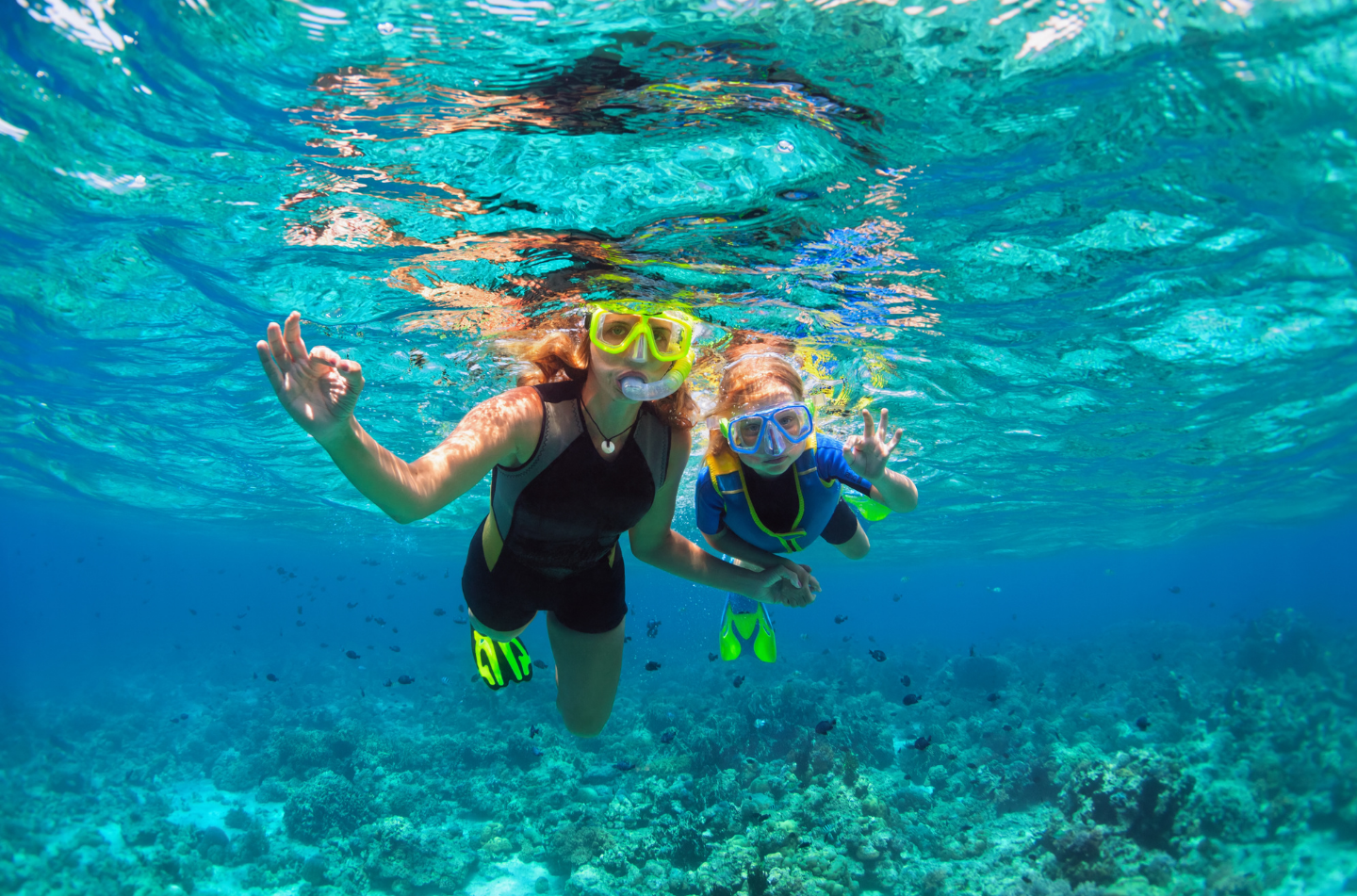
Snorkeling in the Virgin Islands is genuinely one of the best things you can do on a charter. The water is warm, the visibility is exceptional, and the marine life from sea turtles, spotted eagle rays, nurse sharks, rainbow-colored reef fish is amazing. Here’s how to make every snorkel session your best one yet.
12 Tips for an Incredible Snorkel Session
1. Know how to swim: This one’s non-negotiable. Snorkeling is a physical activity and you want to be comfortable.
2. Use the buddy system: Always snorkel with at least one other person. Stay together, keep each other in sight, and never drift too far from the boat or shore.
3. Check conditions first: Before you jump in, look for safety flags, ask your captain about currents, and read the water. If there’s significant surf or chop, save the snorkel for calmer conditions later in the day.
4. Know your skill level: A snorkel buoyancy vest is a great tool, especially for beginners or anyone who wants to conserve energy and float effortlessly while they take everything in.
5. Be reef-safe: Don’t touch the coral, ever. It’s alive, it’s fragile, and a single touch can damage growth that took decades to form. Stay neutrally buoyant and keep your fins away from the reef.
6. Know your entry and exit points: Before you get in, identify where you’ll get out. Currents can move you further than you realize, so stay aware of your position relative to the boat at all times.
7. Skip the pre-snorkel cocktail: Save the Painkillers for after. Alcohol and exhaustion don’t go well together. Drink plenty of water before you go in, and don’t eat a heavy meal right before.
8. Sun protection matters: The water magnifies UV exposure. Apply reef-safe sunscreen before you get in, and consider a rash vest, it’s one of the easiest ways to protect your back and shoulders during a long session in the water.
9. Use the right gear: A well-fitting traditional mask and snorkel will outperform a full-face mask every time. Proper fit means no leaks, a clear sightline, and the ability to clear water quickly if you need to.
10. Get fins that fit: Not too tight, not too loose. Ill-fitting fins cause cramps and blisters and make it harder to control your movement around the reef.
11. Time it right: The best snorkeling happens in good visibility — midday light, calm conditions, no significant surge. Avoid dawn, dusk, or murky water. Your captain will know the ideal window for each spot.
12. Have fun and stay safe: The two aren’t in conflict. The more relaxed and prepared you are, the more you’ll see and the more you’ll enjoy it.
What to Pack for Your Charter and What to Leave Behind
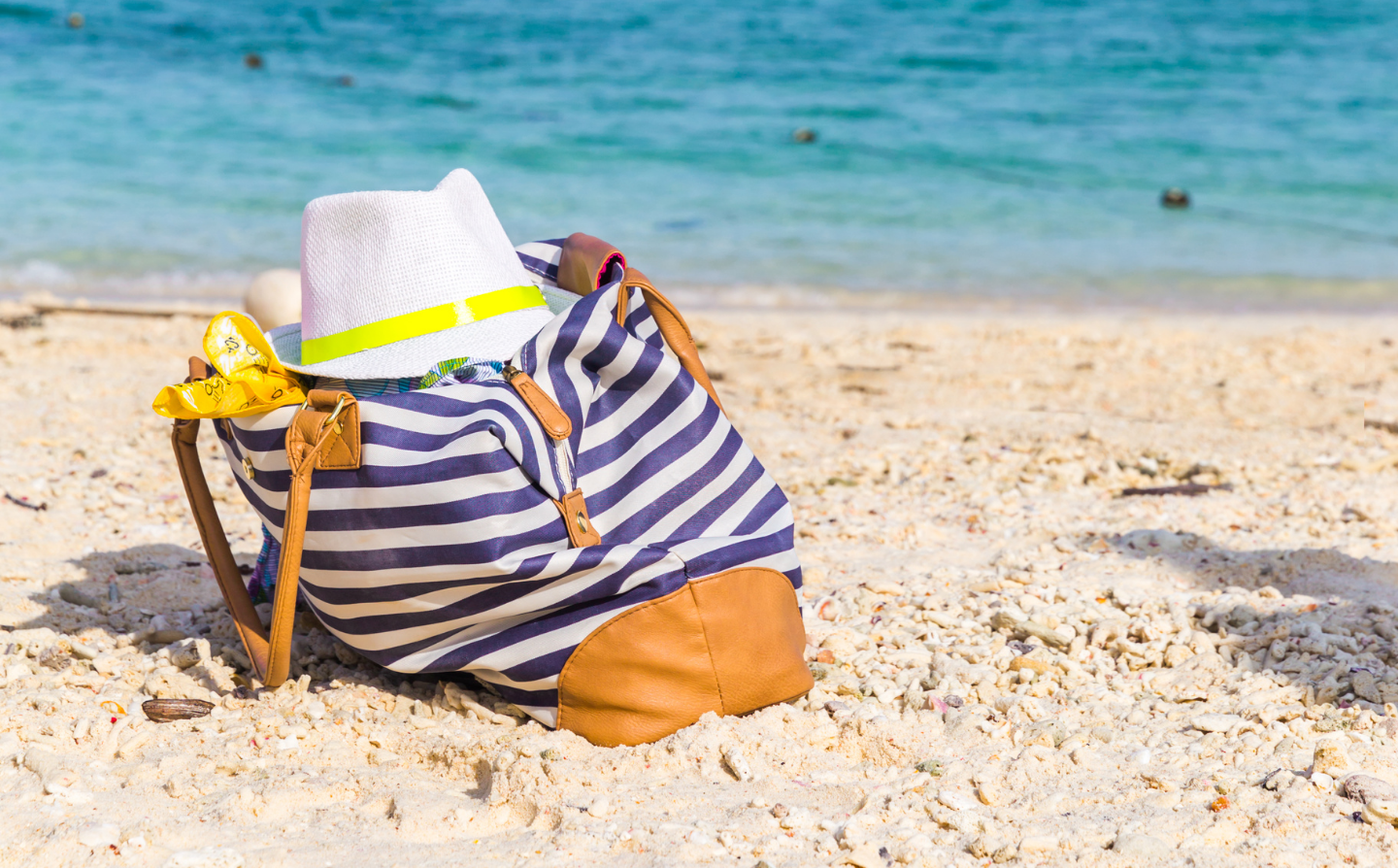
Packing for a yacht charter isn’t like packing for a resort, a cruise, or anything else you’ve done before. There’s no need for a suitcase full of outfit options, no dress code at dinner, and no reason to bring anything you’d stress about losing to the salt and sea. Yacht life is barefoot, breezy, and blissfully simple. Your luggage should be too.
Here’s exactly what to bring and what to leave at home:
Clothes You’ll Actually Wear
You will live in your swimsuit. Plan for it. Bring two or three so you always have a dry one ready, and layer with quick-dry coverups, sarongs, or a linen shirt when you need sun coverage without overheating. For casual wear, stick to lightweight breathable fabrics — cotton tanks, soft tees, easy shorts, and sundresses. Nothing precious, nothing that needs ironing.
One or two resort-casual outfits are plenty for dinners ashore or a celebratory night onboard. A flowy maxi dress or simple romper for women, a button-down and linen shorts for men.
- Swimsuits (2 to 3): You’ll want a dry one rotating at all times.
- Quick-dry coverups or a linen shirt: Sun coverage without the heat.
- Lightweight casual wear: Cotton tees, shorts, sundresses. Easy and breathable.
- One or two nicer outfits: For dinners ashore or a sunset celebration onboard.
- Sandals or flip-flops: One pair covers almost everything. Most guests go barefoot onboard.
- Water shoes or trail sandals: Only if you’re planning hikes or rocky beach excursions.
- A light sweater or wrap: Evenings under sail can get breezy. You’ll be glad you have it.
Skincare and Sun Essentials
Keep your routine simple and hydrating, a gentle cleanser, a lightweight moisturizer, and a solid SPF lip balm cover the essentials. Your crew will have reef-safe sunscreen onboard, so unless you have a specific brand you’re loyal to, you don’t need to pack a full bottle.
If your skin runs sensitive, bring a soothing aloe gel or after-sun lotion. A wide-brimmed hat or baseball cap is non-negotiable, and polarized sunglasses are essential for cutting the glare off the water. For makeup wearers, keep it minimal. The sun-kissed glow you’ll earn naturally does more than anything in your beauty bag.
- Gentle cleanser and lightweight moisturizer: Travel sizes are fine.
- SPF lip balm: Your lips will thank you by day two.
- After-sun aloe or soothing lotion: Especially if you run sensitive.
- Wide-brimmed hat or cap: Sun protection and a solid beach photo prop.
- Polarized sunglasses: Non-negotiable on the water.
Toiletries and Personal Items
Yachts come well-stocked with essentials, especially on a full-service charter. But there are a few things worth bringing yourself.
- Toothbrush, toothpaste, deodorant, and razor: The basics.
- Any prescription medications: Don’t leave these to chance.
- Contact lenses and solution: If applicable.
- Motion sickness remedies: Ginger chews, Dramamine, or motion bands. Most guests find catamaran sailing surprisingly smooth, but it’s worth being prepared.
- Dry shampoo or detangling spray: A pro move for post-ocean hair.
- Bug spray or insect wipes: Not always needed, but worth having if you plan to explore.
What to Leave Behind
- Hard-shell suitcases: Yacht cabins don’t have the storage for bulky luggage. Bring a soft-sided duffel or collapsible weekender that can tuck under a bunk or into a closet.
- Expensive jewelry: Salt, sand, and sea don’t mix well with anything delicate or valuable. Leave it.
- Hair dryers, curling irons, or straighteners: Most yachts don’t have the voltage capacity for high-wattage appliances. Embrace the salt waves. They look better anyway.
- Formalwear: There’s no dress code in paradise.
- Oversized toiletry kits: The bathrooms onboard are compact. Stick to what you actually use.
- A rigid itinerary: Leave the over-planned schedule at the dock. The best moments on a charter are the unplanned ones.
Pack light. Stay present. And get ready for one of the most freeing, unhurried, and genuinely luxurious vacations of your life. When you book with Charter Smarter, your only job is to show up. Your crew takes care of everything else.
What Sets Our Crews Apart

A great yacht and a great itinerary will take you far. But the thing that actually makes a charter unforgettable, is the crew. At Charter Smarter, crew selection isn’t an afterthought. It’s the whole philosophy.
Rigorous Selection and Real Expertise
Every captain and chef on a Charter Smarter yacht is chosen for two things: mastery of their craft and a genuine ability to make guests feel taken care of. Maritime certifications and safety training are table stakes. What we look for beyond that is hospitality instinct, the kind that can’t be taught.
- Captains: Intimate knowledge of the Virgin Islands, the hidden anchorages, the tidal windows, the spots worth waking up early for.
- Chefs: Trained in constructing luxury menus from fresh local ingredients, tailored to every dietary preference and calibrated to the mood of the day.
Personalized from Day One
Charter Smarter crews don’t operate from a script. From the first inquiry to the final toast at anchor, they build genuine rapport, learning preferences, remembering details, and customizing the experience around the people onboard, not a generic itinerary template.
Dietary restrictions, birthday surprises, preferred wake-up times, the anchorage a guest loved on their last trip, the crew knows. That’s not a small thing. That’s the difference between a service and an experience.
“Captain Tim and Chef Zara took things to a whole new level. We felt safe, seen, and every detail was taken care of.”
Charter Smarter Guest, Evenstar
Gourmet Dining at Sea
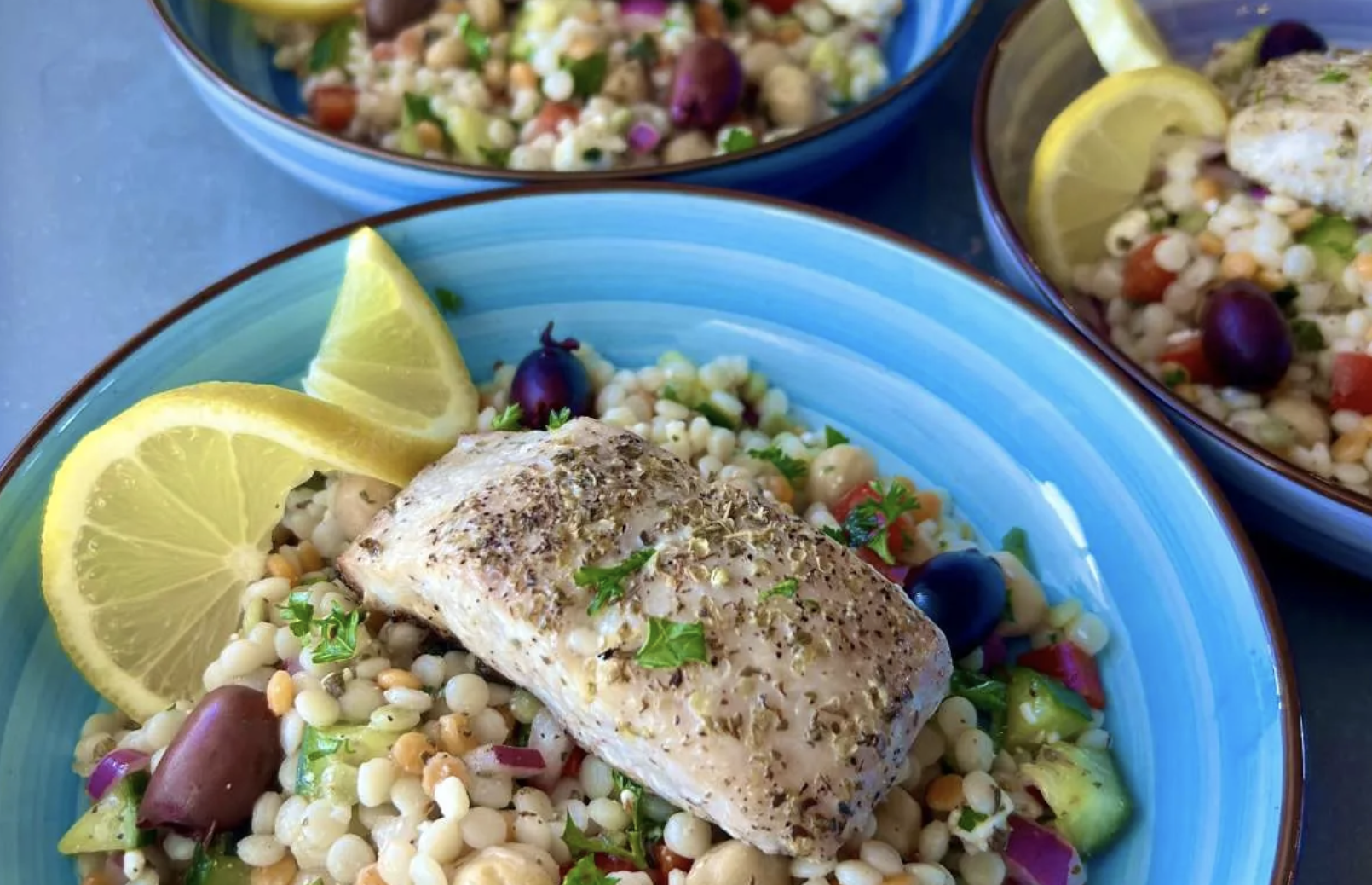
Onboard dining on a Charter Smarter vessel is nothing like a resort buffet. Every meal is built around the preferences guests submit at booking, plant-based, pescatarian, gluten-free, or full celebration mode. The chef’s job is to make each meal feel like it was designed specifically for that moment, that group, that view.
- Preference sheets at booking: Your culinary profile is set before you ever step aboard.
- Local and seasonal ingredients: Fresh seafood, Caribbean produce, and curated wine selections.
- Chefs as lifestyle ambassadors: Sharing the story behind what’s on the plate, offering cooking demos, mixing cocktails. They’re not just cooking, they’re hosting.
Pro Tip: If you’re celebrating something onboard, tell the crew at booking. A surprise dinner setup, a cake at anchor, a painkiller-making class at sunset, they’ll make it happen.
Insider Access and Seamless Days
Your crew’s knowledge of the Virgin Islands is one of the most valuable things on the boat. They know which snorkel spots are worth the early start, which beach bars to visit at sunset, and when to move to stay ahead of the day boats. Plans adjust around weather, mood, and the moment, not the other way around.
The Moments That Make It
The best charter memories often come from things that weren’t on any itinerary. Chef-led cooking classes on deck. A private beach picnic that materialized from a casual mention at breakfast. A birthday cake that appeared at exactly the right moment.
These aren’t upsells. They’re just what it looks like when a crew is genuinely paying attention.
All-Inclusive and Effortless
When we say all-inclusive, we mean it. There are no line items to track mid-trip, no coordination required, no waiting.
- Private chef menus and a stocked bar: Meals and drinks handled from start to finish.
- Water toys on demand: Paddleboards, snorkel gear, kayaks — ready whenever you are.
- Eco-conscious operations: Reef-safe sunscreen onboard, careful anchoring to protect marine habitats, minimal single-use plastics throughout.
Pro Tip: Tandem charter options are available for larger groups — multiple yachts, shared itinerary, one crew team coordinating across both boats. Ask about it at inquiry.
Safety, Expertise, and Professionalism
Every Charter Smarter captain holds full maritime certification and emergency response training. Deckhands conduct daily safety and gear inspections. Crews are prepared to handle everything from minor medical situations to weather changes to special needs accommodations, and they do it without making it feel like an event. You’ll likely never notice. That’s the point.
Once you board, the only thing left to do is unwind.
CHARTER TIP: Leave the Hard Luggage at Home
Leave the Hard-Shell Suitcase at Home
One of the best yacht charter packing tips? Skip the hard-shell luggage.
Yacht cabins are designed for smart storage, and bulky suitcases simply do not fit well onboard. Soft-sided duffels, weekender bags, or flexible canvas bags can easily fold flat and slide under your bunk, keeping your cabin comfortable and clutter-free throughout the trip. Hard-shell suitcases and oversized rolling bags usually end up taking over valuable floor space for the entire charter. Most guests realize pretty quickly they packed far more than they actually needed. Charter life has a way of making simple packing feel incredibly freeing.